2026-09-19 ·
Cost Factors for Waste Container Rental During a Leavenworth Home Remodel
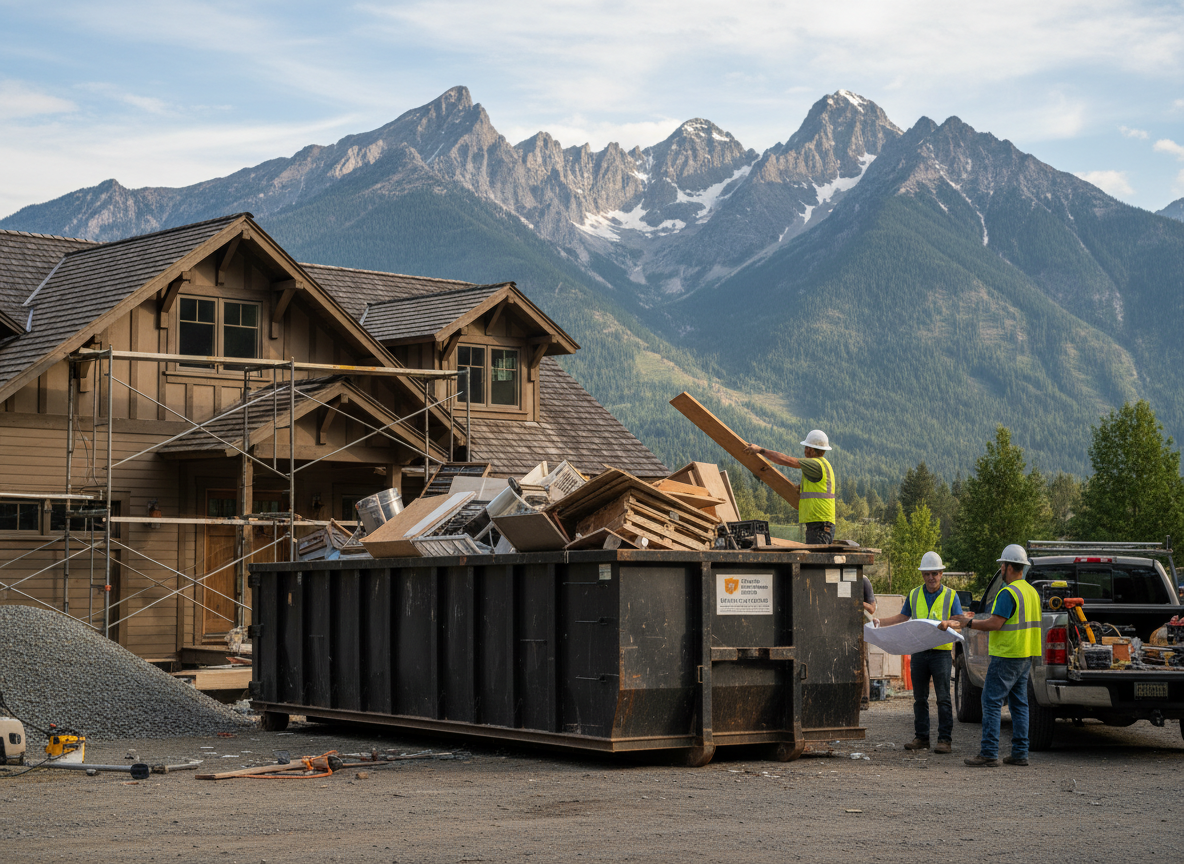
Waste container rental for a Leavenworth home remodel typically ranges from $350 to $950 for a standard 10- to 20-yard unit over a one- to two-week period, though final totals shift with project specifics and site access. Four-season mountain climate brings heavy snow that can delay deliveries to neighborhoods such as Icicle Village or Upper Valley, while older housing stock in the Bavarian Village often generates mixed debris that requires careful sorting.
Container Size and Project Duration Effects
Choosing the right container size directly shapes the total for any waste container rental in Leavenworth. A 10-yard unit suits smaller bathroom or kitchen updates common in Downtown Leavenworth homes built decades ago, while a 20- or 30-yard container handles full-room additions typical in Upper Valley properties. Longer rental periods increase fees because winter snow accumulation near Leavenworth Ski Hill or Icicle Creek can block roads and extend on-site time. Homeowners planning multi-week remodels often schedule extra days upfront to avoid repeated delivery charges once conditions worsen. Weight limits also matter: exceeding the agreed tonnage on remodel debris like drywall and lumber triggers overage fees that add up quickly in Chelan County projects.
Terrain Access and Seasonal Weather Challenges
Mountain terrain around Leavenworth National Fish Hatchery and along Icicle Creek creates narrow driveways and steep grades that affect waste container rental pricing. Trucks need clear paths, so properties in the Upper Valley with gravel or sloped approaches may require smaller containers or extra positioning time. Snowy winters frequently limit access from December through March, forcing crews to stage containers on main roads rather than driveways and raising labor costs. Four-season conditions mean spring melt can turn soil soft near the Wenatchee River corridor, requiring reinforced placement boards that add minor but real expenses. Planning deliveries during drier shoulder seasons helps keep totals predictable for remodels in Cashmere or nearby valleys.
Waste Type, Weight, and Sorting Requirements
Remodel waste streams vary widely and influence waste container rental totals through weight and sorting rules. Concrete and asphalt from foundation work near Bavarian Village homes must often travel separately to approved Chelan County facilities, while mixed lumber, insulation, and fixtures fit standard units. Overloading with heavy materials pushes costs higher, so crews weigh loads on-site before sealing containers. Homeowners can reduce fees by separating recyclables early, especially on jobs generating large volumes of metal or cardboard. Local crews familiar with the area know which materials trigger extra handling and adjust quotes accordingly before the container arrives.
Permit and Placement Considerations on Local Streets
Temporary placement on residential streets in Leavenworth sometimes requires permits that factor into overall waste container rental expenses. Older neighborhoods around Downtown Leavenworth have tighter parking rules and narrower rights-of-way than newer Upper Valley streets. Checking requirements early prevents fines or forced relocations during snowy periods when plows need clear lanes. Projects near landmarks like the Leavenworth National Fish Hatchery may face additional scrutiny from county officials. Proper paperwork and advance site photos help crews position units legally and avoid delays that extend rental days.
Planning Your Waste Container Rental Timeline
Successful Leavenworth remodels start with a clear timeline that accounts for weather windows and material flow. Ordering a waste container rental at least a week ahead allows time to confirm access routes through areas like Icicle Village before snow returns. Homeowners working on properties near the Bavarian Village often coordinate with 24/7 availability to handle last-minute schedule shifts caused by mountain weather. Reviewing accepted materials ahead of time keeps the container efficient and prevents mid-project surprises. This approach helps maintain steady progress from demolition through final cleanup without unnecessary added days or fees.